
The right to live well must come before the right to die
For decades, governments of every colour have known that social care needs fundamental reform. And for decades, the difficult decisions have been put off. That cannot continue.
At its heart, social care is about whether an older person can stay in their own home, whether someone with a disability can live a full life, and whether the husband, wife, son or daughter who quietly becomes a full-time carer can still hold down a job.
That is why I welcome the Prime Minister’s decision to begin a national Big Conversation on Care. Andy Burnham has been clear that after years of drift we must confront the questions politicians have ducked for too long: what kind of care system we want, how it works alongside the NHS, and how it is properly and sustainably funded.
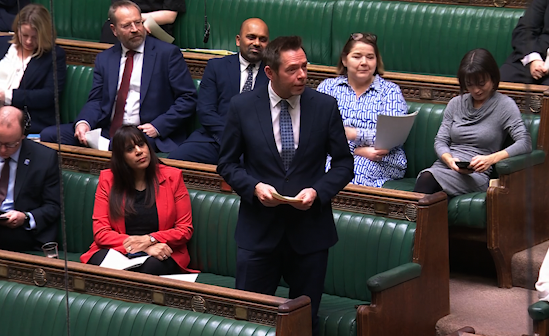
Those questions felt particularly urgent on Friday, when Parliament once again debated assisted dying. I voted against the Bill when MPs last considered the issue, and I voted against it again. It was defeated by 286 votes to 270.
I know good people, including people I respect enormously, reached a different conclusion, and I understand why. Nobody who has watched someone they love suffer at the end of their life can treat this as an easy question. The arguments about dignity, autonomy and unbearable pain were made seriously and movingly, by colleagues speaking about their own families and their own illnesses. Nobody came to that vote lightly, and nobody should crow about the result.
My concern was always about making such a profound and irreversible change while the alternatives available to people remain so unequal.
Choice only means something when the choices are real.
If somebody is frightened because they cannot get care at home, if their family is exhausted because support is not there, or if good palliative care depends on where they happen to live, we should be careful about telling ourselves that every decision made in those circumstances is genuinely free.
That argument now places an obligation on those of us who made it. Having voted against a new right to assistance in dying, we owe people a real right to excellent care while they are living. That means properly supporting hospices and palliative care, reaching people before they hit crisis, and helping them stay independent at home.
It also means valuing the people who provide that care. The Prime Minister is right that we must treat NHS and social care staff as one workforce, and this Labour Government is already acting.
Through the Employment Rights Act, Labour is creating the first ever Fair Pay Agreement for care workers, backed by £500 million. For the first time, trade unions and employers will negotiate pay and conditions together through an independent body for the 1.5 million people working in care. Alongside that, sick pay has been strengthened, the minimum wage has risen and the new Care Workforce Pathway gives care workers a real career structure.
That is real progress. There is more to do, but care workers can finally see a fairer deal on the way.
We also need to end the maze. Anybody who has arranged care for an elderly parent knows how bewildering it can be: the NHS, the council, care providers and families all juggling different responsibilities and budgets. To the person who needs help, none of those boundaries matter. They simply want somebody to help them.
The test of a National Care Service is simple: can a family in Kidsgrove or Stoke-on-Trent get the right help, at the right time, without having to fight for it?
There will be difficult arguments ahead, particularly about how we pay for all of this. Pretending otherwise would repeat the mistakes of the past. But the answer cannot be another decade of delay.
Social care is the great unfinished business of our welfare state. We built an NHS on the principle of treatment according to need, not ability to pay. Nearly eighty years on, we still have no equally durable settlement for care.
How we care for people when they are old, disabled, seriously ill or approaching the end of their lives says something fundamental about the kind of country we want to be.
Friday’s vote settled one question. It did not settle that one.